
Tiger Safari in India: A Journey Into the Heart of the Wild
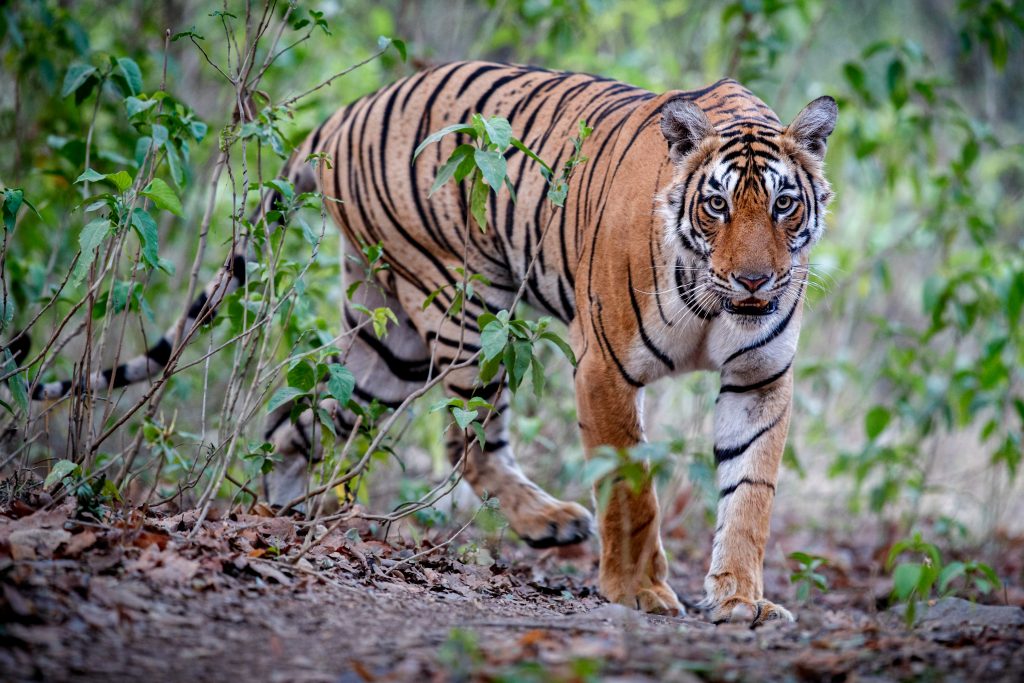
India, home to nearly 75% of the world’s wild tiger population, is one of the best destinations on Earth to witness the majestic Bengal tiger in its natural habitat. A tiger safari in India is more than just a wildlife excursion book tiger safari in India —it is an unforgettable adventure through dense forests, golden grasslands, and vibrant ecosystems teeming with life.
Why India is the Best Place for a Tiger Safari
India’s diverse landscapes—from the sal forests of Madhya Pradesh to the marshlands of the Sundarbans—offer a rich haven for tigers. The country has made remarkable strides in conservation through initiatives like Project Tiger, resulting in steadily increasing tiger numbers and flourishing habitats. Today, India boasts over 50 tiger reserves, each offering a unique safari experience.
Top Tiger Safari Destinations in India
1. Jim Corbett National Park, Uttarakhand
India’s oldest national park is known for its thick forests, riverine landscapes, and high tiger density. Corbett also offers a rare chance to stay inside the core zones, enhancing the thrill of night-time wilderness.
2. Ranthambore National Park, Rajasthan
A favorite among wildlife photographers, Ranthambore’s ancient forts and open meadows provide excellent visibility for spotting tigers. The famously bold tigers here often appear close to safari routes.
3. Bandhavgarh National Park, Madhya Pradesh
Often called the “Tiger Capital of India,” Bandhavgarh is known for its frequent tiger sightings. It also features historic caves and the iconic Bandhavgarh Fort.
4. Kanha Tiger Reserve, Madhya Pradesh
A magical landscape of dense forests and rolling meadows, Kanha served as inspiration for Rudyard Kipling’s The Jungle Book. Its stable tiger population and rich biodiversity make it a must-visit.
5. Sundarbans National Park, West Bengal
If you crave a unique experience, the Sundarbans—home to the famous “swimming tigers”—offers boat safaris through mangrove forests. While sightings are rare, the ecosystem itself is extraordinary.
Best Time for a Tiger Safari
- Peak sightings: February to June (dry season; tigers come to water bodies)
- Pleasant weather: October to February
- Monsoon (July to September): Most parks remain closed
What to Expect During a Safari
A tiger safari is typically conducted in an open gypsy or canter. Though tiger sightings are thrilling, the journey is equally enchanting—spotting deer, leopards, elephants, langurs, exotic birds, and experiencing the deep silence of the forest broken only by calls of wildlife.
Tips for a Successful Tiger Safari
- Book permits well in advance—especially for popular parks.
- Choose early morning or late afternoon safari slots.
- Wear earthy-colored clothing.
- Carry binoculars and a good camera.
- Maintain silence and respect the park rules.
Conclusion
A tiger safari in India is not merely about spotting the magnificent big cat—it’s about connecting with nature, understanding wildlife behavior, and witnessing the success of conservation efforts. Whether you’re a photographer, nature lover, or adventure seeker, India’s tiger reserves promise a once-in-a-lifetime experience.
